Flood Mapping
Detailed assessment of the North Saskatchewan River basin and overland flood vulnerabilities within urban residential zones.
VIEW DATA →Technical analysis of Edmonton regional risk factors: flood zones, fire vulnerability, and actuarial replacement cost modeling for 2024-2025.
Detailed assessment of the North Saskatchewan River basin and overland flood vulnerabilities within urban residential zones.
VIEW DATA →Analysis of Wildland-Urban Interface (WUI) risks for properties adjacent to the River Valley and Ravine System.
VIEW DATA →Quarterly updates on material costs, labor rates, and local building code requirements for Edmonton reconstruction.
VIEW DATA →In the Edmonton metropolitan area, the gap between market value and actual replacement cost has widened by 18.4% over the last 24 months. Actuarial modeling for property insurance must account for the 2024 Alberta Building Code updates, which mandate higher energy efficiency standards and resilient materials in flood-prone sectors. Market value includes the price of land and neighborhood demand, whereas replacement cost focuses strictly on "sticks and bricks"—the cost to rebuild the structure from the foundation up using contemporary labor rates.
Failure to update the Replacement Cost Value (RCV) on a policy often leads to "co-insurance penalties" during a total loss claim. We utilize the Actuarial Terminology standards to define the deviation between Actual Cash Value (ACV) and RCV. In Edmonton, current reconstruction costs for mid-tier residential properties fluctuate between $285 and $340 per square foot, depending on the accessibility of the site and the complexity of the utility connections.
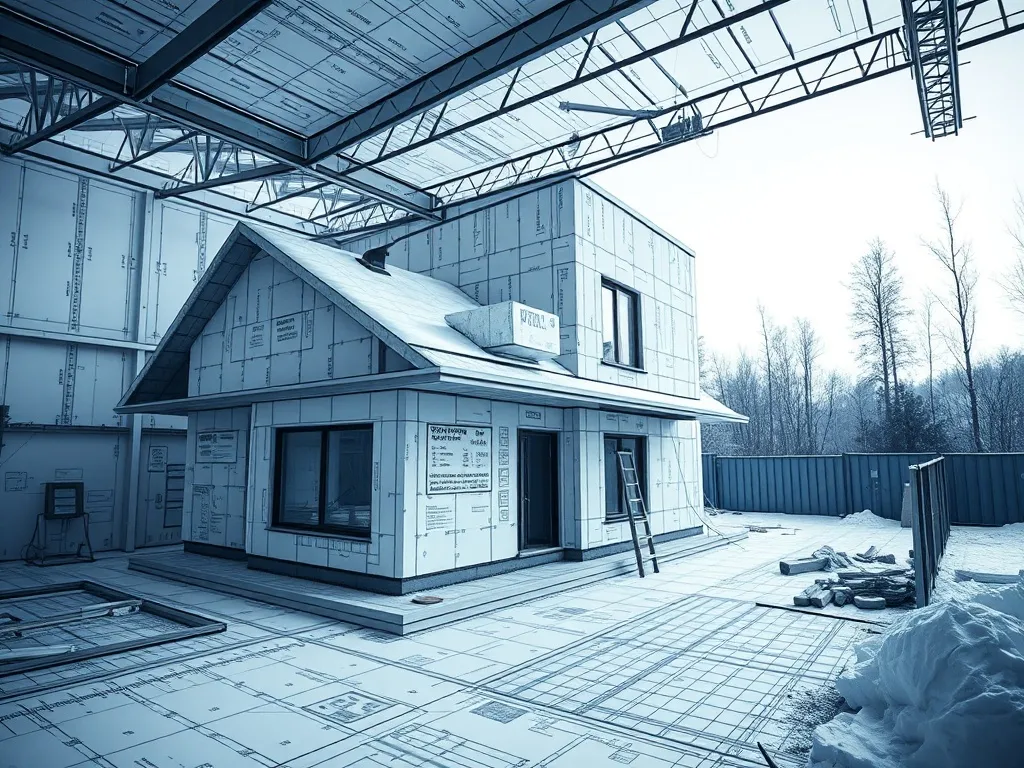
Figure 1.1: Structural reconstruction cost modeling for Northern Alberta climates.
| Zone Category | Risk Probability | Typical Premium Impact | Mitigation Requirement |
|---|---|---|---|
| Flood Zone A (1:100) | High (1.0% annual) | +22% to +45% | Sump pump + Backwater valve |
| WUI Fire Zone 1 | Moderate (0.4% annual) | +12% to +18% | Non-combustible roofing |
| Urban Core (Sewer) | Very High (Combined sewers) | +30% (Endorsement) | Automatic shut-off valves |
| Suburban Infill | Low (Modern drainage) | Baseline rate | Standard grading compliance |
Data sourced from the Edmonton Open Data Portal and local actuarial risk assessments. The premium impact figures are averages based on 2023-2024 underwriting cycles. For more localized data, refer to our Edmonton Region Data overview.
Water damage remains the primary cause of property insurance claims in Edmonton, surpassing fire and theft combined. Standard policies often exclude Overland Water (water entering from the ground surface due to heavy rain or snowmelt) and Sewer Backup unless specifically added via endorsement. In the older neighborhoods of Strathcona or Glenora, combined sewer systems significantly increase the hydraulic pressure on residential piping during peak storm events.
Our analysis indicates that the implementation of a dual-valve backflow preventer can reduce the risk of basement inundation by up to 92%. However, insurance carriers now require proof of professional installation and annual maintenance to maintain coverage eligibility in high-risk postcodes. For detailed probability maps, check the Flood and Fire Mapping technical documentation.
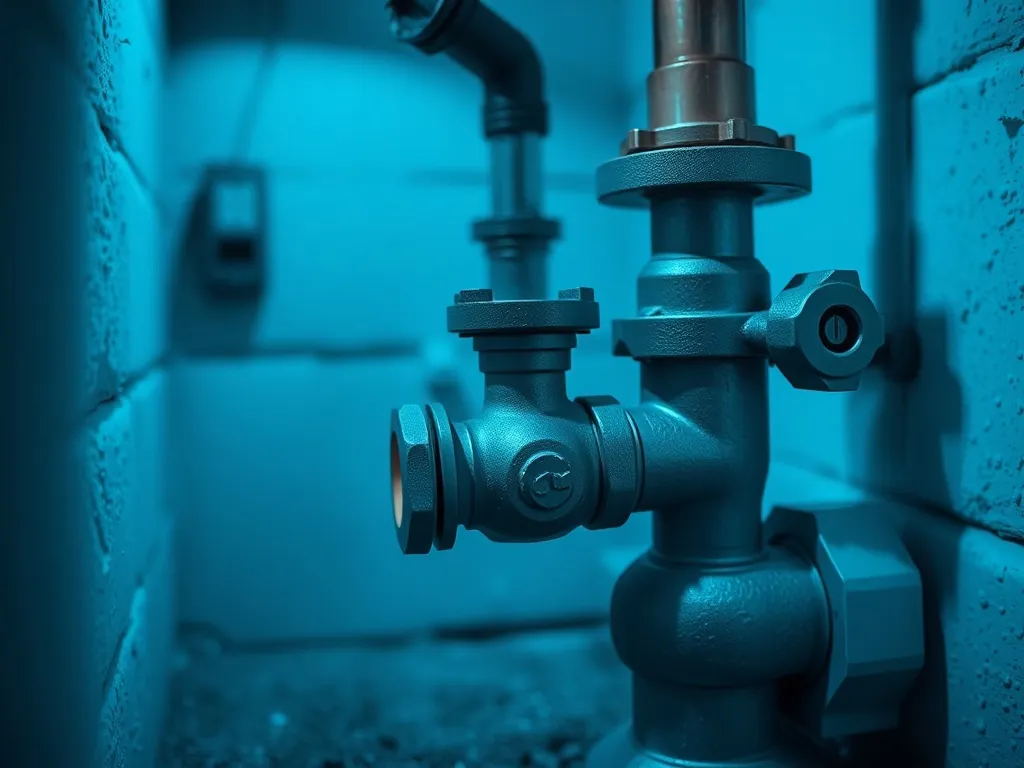
Figure 1.2: Standard mitigation hardware for high-risk flood zones.
Our actuarial datasets provide precise mapping for Edmonton property owners. Ensure your coverage limits align with current 2024 reconstruction costs and regional environmental hazards.
Once a week we send a digest of the best articles.